The mix, the reinforcement and the base we use on every job — and why they matter in Ohio.
Why MaximaMost concrete quotes look the same on paper. The difference shows up years later — in the cracks, the settling and the surface wear. What separates one driveway from another is the mix, the reinforcement and the base underneath it.
These are the specifications Maxima Concrete uses as standard on residential work. Bring them to any estimate you receive: if a contractor cannot tell you the bag count, the reinforcement and the base preparation, you are not comparing the same product.

by Maxima Concrete
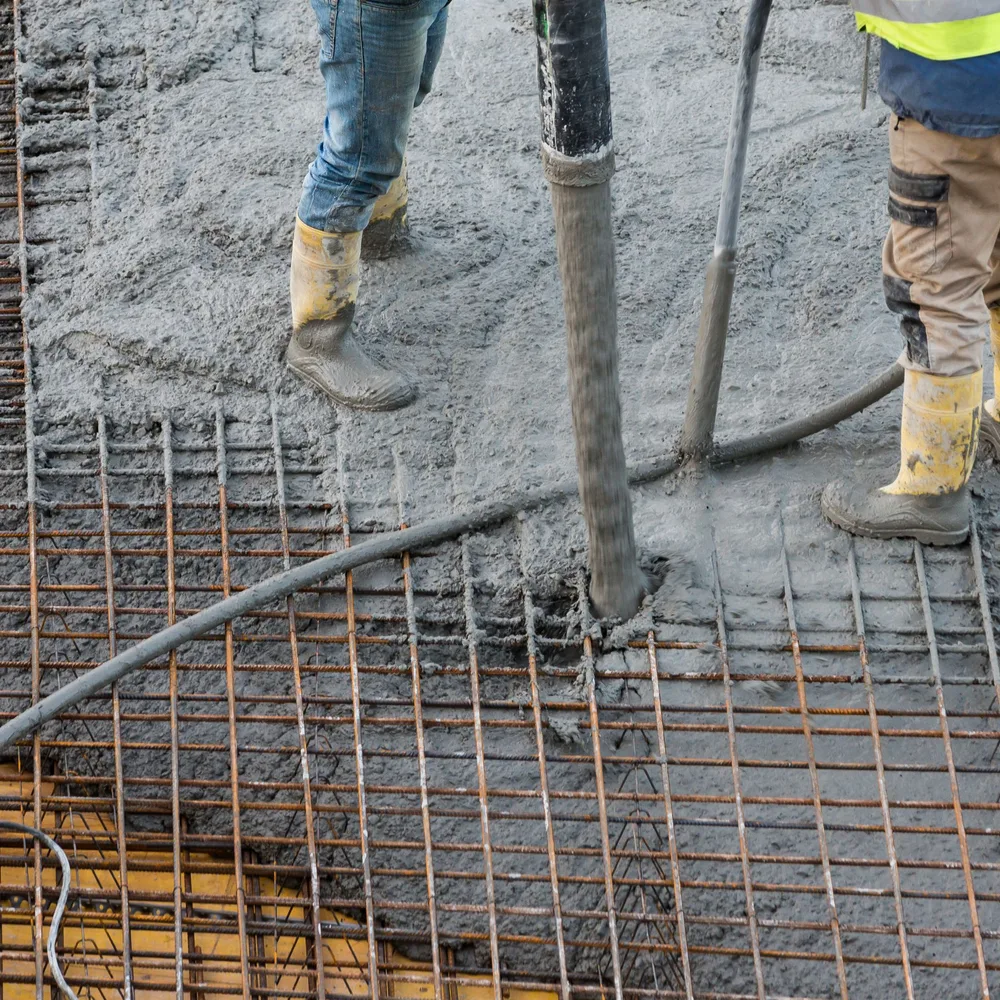
A high-strength mix with 6.5 bags of cement per cubic yard, rated at 4500 PSI — well above the minimum used on budget work.
Structural fibers dispersed through the mix act like micro-rebar, controlling shrinkage cracks as the slab cures.
Steel mesh distributes load across the slab, preventing the large cracks and deformation that come from freeze-thaw movement.
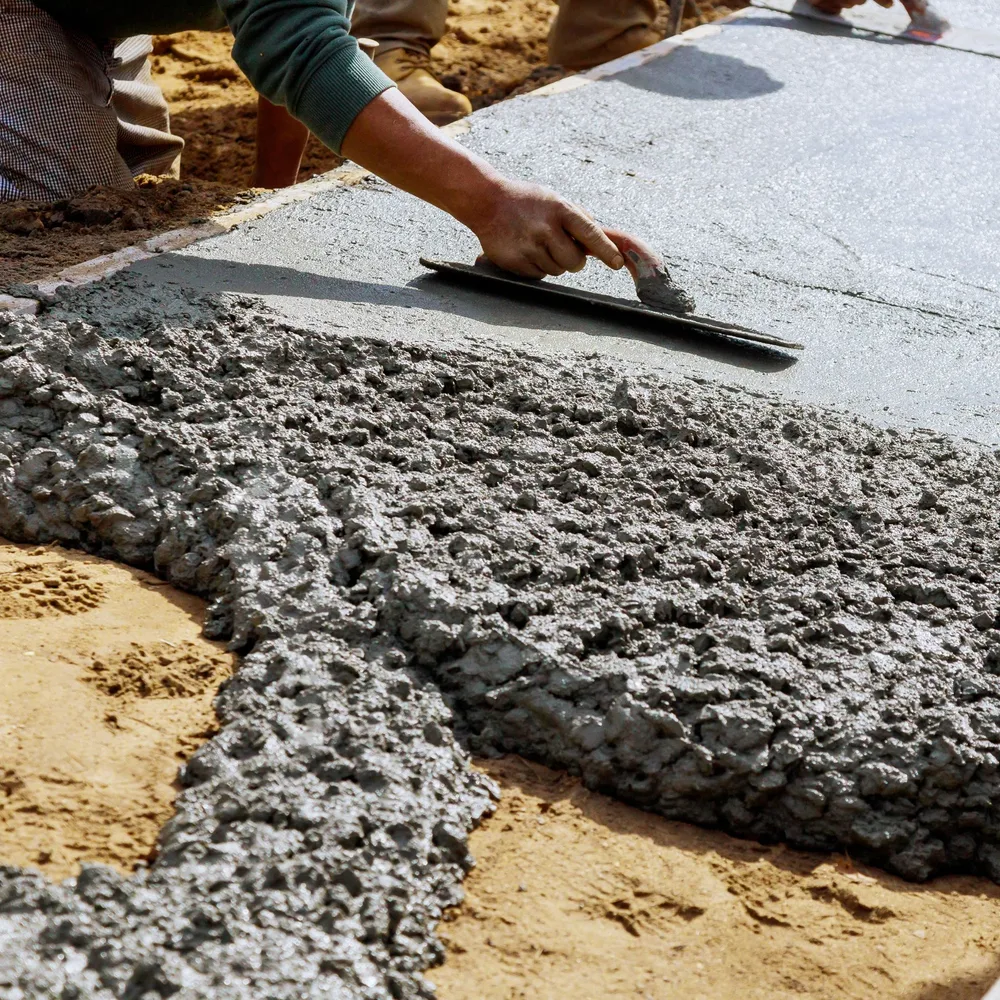
A properly graded and compacted base carries the load and keeps water from washing out the ground under the slab.
Ohio puts concrete through dozens of freeze-thaw cycles every year. Water gets into the surface, freezes, expands and forces the slab apart from the inside. Everything in our build sheet exists to slow that down.
Grading moves water away from the slab and the foundation before it can pool or soak in.
Joints are cut where the slab is expected to move, so cracking happens on a straight line instead of at random.
The slab is protected and monitored while it cures — strength comes from curing, not just from the mix.
Base, reinforcement and finish are each checked before the crew moves on to the next stage.
It refers to how many 94-lb bags of cement go into each cubic yard of concrete. More cement means higher compressive strength — our 6.5-bag mix is rated at 4500 PSI. Budget work often uses a leaner mix, which costs less and cracks sooner.
They solve different problems. Fiber mesh is mixed into the concrete and controls the fine shrinkage cracks that form while the slab cures. The 10-gauge wire mesh sits in the slab and holds it together across larger movements, like frost heave. We use both on residential flatwork.
It depends on what the surface has to carry. Most residential projects are poured 4 inches thick, with additional reinforcement where extra durability is needed. Driveways and slabs that take vehicle or equipment loads are built heavier, and we size them during the estimate.
Concrete is strong in compression but has very little tolerance for uneven support. If the ground under the slab settles or washes out, the slab bridges the gap and cracks — no matter how good the mix was. That is why the compacted gravel base is a specification and not an optional step.
All concrete moves. The goal is to control where it cracks, not to promise it never will. Control joints, reinforcement and a stable base keep movement predictable and hairline instead of structural.
Limited availability for the upcoming season. Secure your spot.
 @maximaconcrete